
Since 2014 · Chengdu, Sichuan
Built on seasons, not seasons sold.
We are a small inbound consultancy: five permanent staff, a fixed circle of licensed guides, and twelve years of notebooks from the ranges of western China.
The name
Kawa is snow, in Tibetan. A diary is what you keep of it.
KawaDiary began in 2014 as a shared notebook between two guides working the Hengduan range — one Tibetan, one from Chengdu — who kept losing clients to operators that promised summits they could not deliver.
The idea was unremarkable: write down what actually happens. Which route floods in July. Which lodge has a generator that fails. Which acclimatisation schedule works for a guest arriving from sea level on a Friday.
Twelve years later those notebooks are an operations manual. Every itinerary we sell is drawn from a route we have walked, in the season we recommend, with the people we name. We do not resell other operators’ departures, and we do not add a peak to a programme because a client asks for one.
Milestones
Twelve years, briefly.
We grew slowly and mostly on purpose. The numbers below are the ones that changed how we operate, not the ones that looked good on a page.
-
2014
One notebook, two guides
The first Kawa Karpo kora runs with four clients and a borrowed Land Cruiser. The trip is still on our programme, largely unchanged.
-
2017
Licensed as an operator
Registration L-SC-00318 granted in Sichuan. Haba Snow Mountain is added after two seasons of reconnaissance and a formal risk review.
-
2019
The 1:2 rule
After a near-miss on a fixed-rope section, guide ratios on all snow terrain are fixed at one guide to two climbers. No exceptions since.
-
2022
Two quiet years
With borders closed we surveyed new routes in the Daxue and Qionglai ranges and rewrote the acclimatisation protocol with two altitude physicians.
-
2024
Guest number 1,000
Waste and fuel policy written into every itinerary: stove fuel only above the treeline, and everything packed in is packed out.
-
2026
Nine permitted peaks
Groups capped at eight guests. Nine summits above 5,000 metres on the programme, and a waiting list we are content to keep.
How we operate
Four principles we actually enforce.
Principles are only worth writing down if they cost something. These have cost us bookings.
Patience over summits
Turnaround times are agreed before departure and are not renegotiated on the mountain. A summit is a result, not a deliverable.
Local first, local paid
Our guides are Tibetan, Qiang and Yi, employed year-round rather than per trip. They hold the authority to call off any ascent.
Small by design
Eight guests is a ceiling, not a target. We would rather run fewer departures than a crowded one.
Leave it as found
Stove fuel only above the treeline. Waste carried out, including other people’s. Group size and camp rotation are set by what the land can absorb.
The people
Small team, long memories.
You will correspond with the person who plans your trip, and walk with the person who planned it. There is no call centre in between.
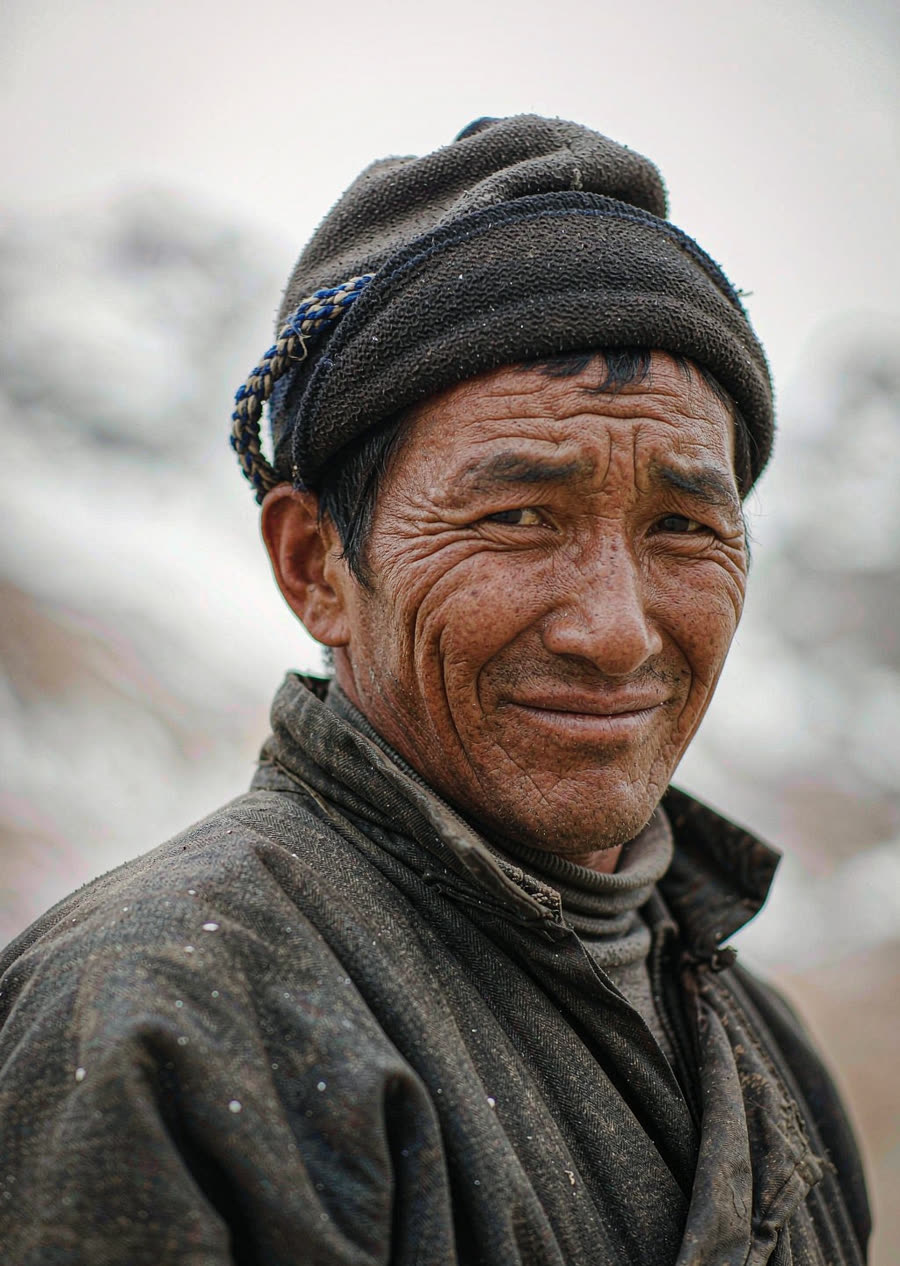
Founder & head guide
Dorje Tsering
Twenty-two seasons in the Hengduan range. Certified Chinese mountaineering guide, former rescue volunteer, and the man who decides whether the group goes up tomorrow. He has turned around more clients than he has taken to a summit, and considers that the correct ratio.
Languages: Tibetan, Mandarin, English.
Tenzin Norbu
Climbing leadRuns the 5,000 m programme. Fixed-rope and rescue instructor with fifteen incident-free ascents of Haba Snow Mountain.
Ling Zhao
OperationsPermits, transport, insurance verification and the unglamorous paperwork that makes a departure possible at 06:00.
Anneke de Vries
Client planningBased in Utrecht. Answers enquiries in English, Dutch and German, and walks every route she recommends.
Safety & responsibility
Risk is a planning problem before it is a mountain problem.
Altitude does not negotiate. So the decisions that matter are made in Chengdu, weeks before anyone puts on a boot.
What every itinerary includes
- Medical screening and altitude history reviewed before booking
- Written acclimatisation schedule with scheduled rest days
- Pulse oximetry twice daily above 3,500 m
- Supplemental oxygen and a written descent protocol at each high camp
- Satellite communicator with every group, checked daily
- Evacuation route and receiving hospital agreed in advance
- Guide ratio of 1:2 on glacier and fixed-rope terrain
- Travel and rescue insurance verified before departure
What we will not do
- Take a guest above 5,000 m without prior experience at 4,000 m
- Shorten acclimatisation to fit a flight schedule
- Guarantee a summit, in writing or otherwise
- Run a group larger than eight guests
- Operate without verified rescue insurance
- Place a guide on terrain beyond their certification
If a request falls outside these lines, we will say so in the first reply rather than the final week.
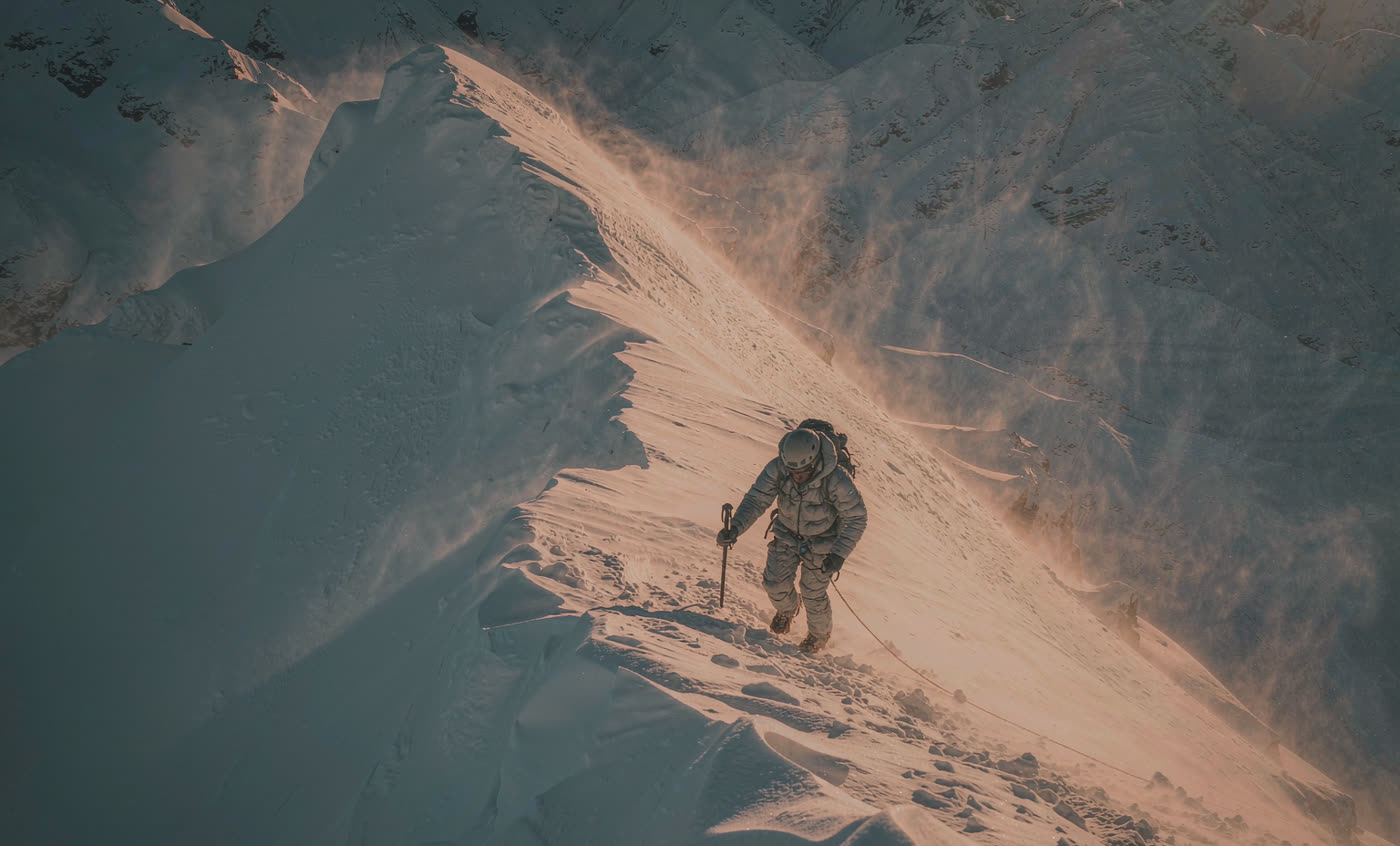
See what we actually run.
Three services, nine permitted peaks and a planning process that starts with a conversation rather than a booking form.
View services